YipsCheck Beat the yips
When a trained movement stops obeying, we measure where control breaks and retrain it. Clinical work for athletes with task‑specific dystonia, in the Netherlands and remotely.
Decades of muscle memory. Gone mid‑stroke.
The yips is a task‑specific dystonia. At impact the wrist jerks, a fast twist the golfer never intended. Everything else that hand does is fine. Only this one stroke breaks.
What you just watched is a neurological disorder known as a task‑specific dystonia. It comes from disinhibition in the brain's motor circuits. In other words, the stored motor program that powered this stroke for decades is corrupted. The motor program still runs, but it carries a bug — and every time the golfer swings, this bug causes their arm to jerk uncontrollably, destroying the accuracy of their putting and chipping strokes. Because only the golf motor program is corrupted, the problem happens only inside this one movement.
This problem has another, more common name: the yips. It isn't in your arm. It isn't an injury or an overworked, cramping muscle. It doesn't only strike when you're nervous. Stress can make it worse, but not always. The yips is a neurological movement disorder, closer to Parkinson's or tremor than to stage fright or choking.
Erik and I work on better understanding it together — both the basic science and treatments for the people who have it.
The practice
For athletes · Amsterdam & remoteNeuroscience and biomechanics for skills that hold under pressure.
I help you get rid of your yips, the involuntary jerk at impact or release. First a biomechanical analysis to find where the stroke breaks, then neuromotor retraining to rebuild it.
Start a round on your watch and tap Start Putting. Hold still over the ball for about a second, then putt. The watch buzzes when it catches the stroke, and you tap Next Putt to go again. Your iPhone grades each putt from steady to severe and replays the stroke in slow motion. Over the weeks, your season chart shows whether the retraining is working.
Join the pilot →Research & teaching
9 peer‑reviewed papersErik and I run this work together at the Sport Dystonie Centrum, with the University of Groningen Movement Disorders Center, Radboud University and Gelre Ziekenhuizen. Half of it is basic science on what the yips is. The other half is treating the people who have it.
Between the two of us we bring neuroscience, clinical neurology and a career in professional sport to one disorder.
From the start lineto the lab bench.
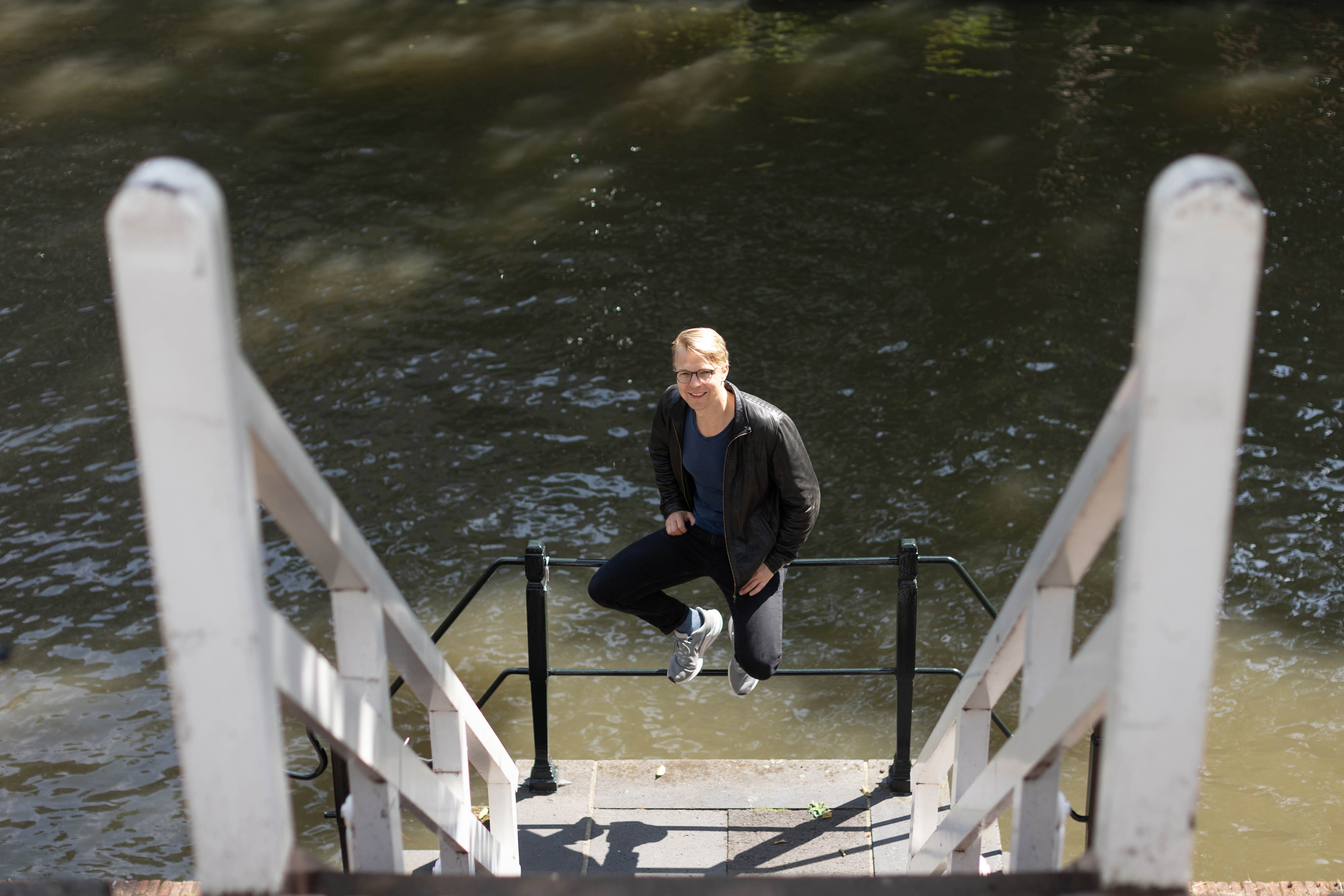
I trained one movement to Olympic level. Then I spent a PhD learning what happens when Olympic‑level movements go wrong.
Born in Canada, raised on ice. I skated professionally: the Olympic Games, national records, World Cup titles. Then I went to learn how the brain works, with a research MSc and a PhD on task‑specific dystonia. Now I apply that science to performance disorders in sport and teach it at the Conservatory of Amsterdam.
I know the yipsfrom the inside.
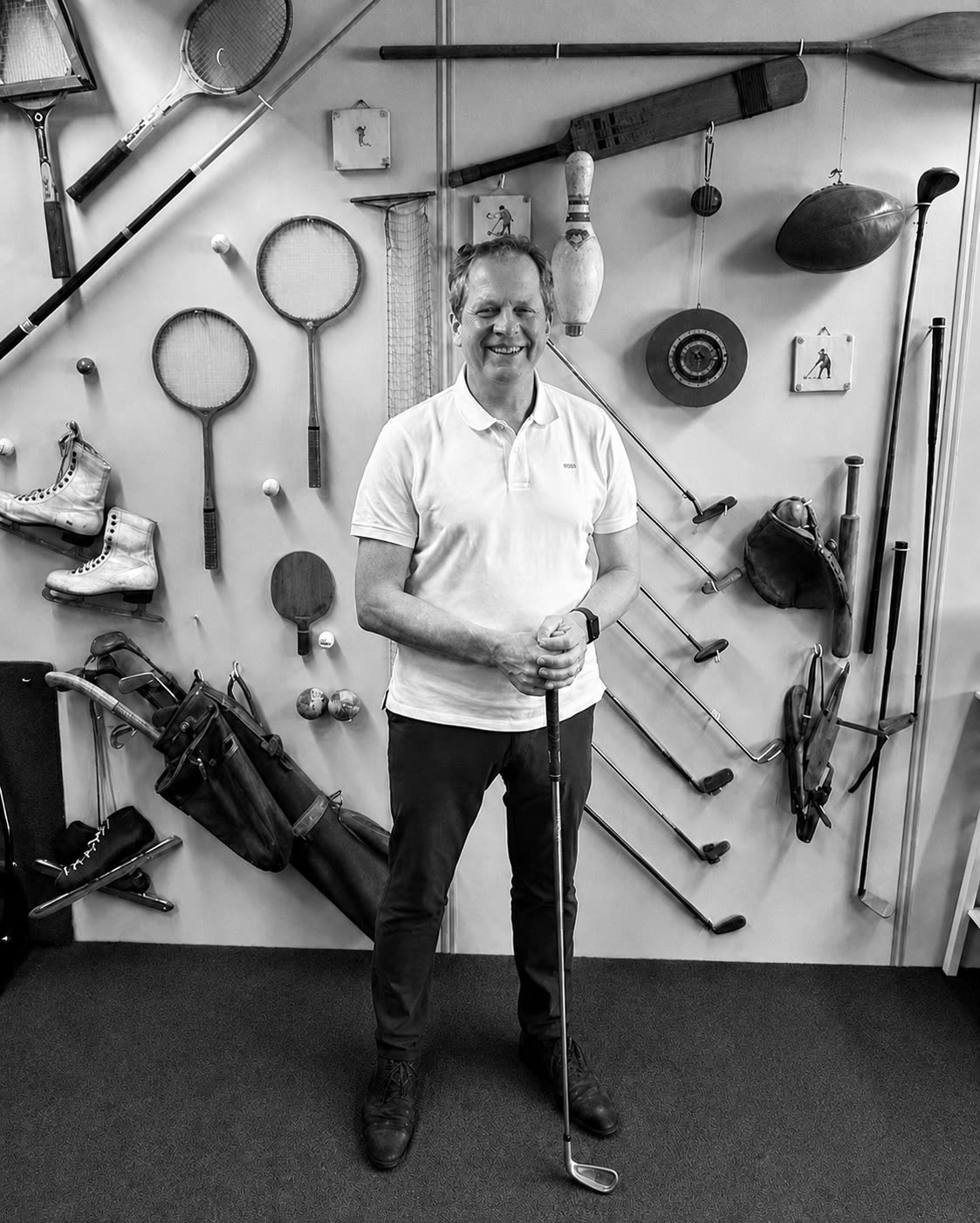
Neurologist since 2005. Golfer with the yips since a long putt on the first hole at the Rosendaelsche. One taught me how movement goes wrong. The other, what it costs.
I trained in neurology and spent my first years on Parkinson's and movement disorders at Gelre ziekenhuizen in Apeldoorn. Then the yips found me, as it had found my father, also a neurologist, and the question became personal. In 2020 I founded the Sport Dystonie Centrum and made room in the clinic for The Dutch Yips Studies, the PhD I lead with Beorn, alongside the movement‑disorder groups in Groningen and Nijmegen, the Dutch golf federation and the R&A. In 2026 thirteen international specialists reviewed our films and agreed. The yips is a dystonia, a movement disorder, not nerves.
Work with us
Thank you. I will reply within a day or two. For anything urgent, email me directly.
What would you like to book?
{{ planTitle }}
Pick a day and a time. All times Amsterdam.
Tell me where you are and I will come back with a plan and a price.
A few details and I will reply with dates and a quote.
{{ doneTitle }}
{{ doneLine }} {{ doneBody }}